
PRODUCT & SOFTWARE ENGINEERING

Build well. Launch confidently.

Turn your product idea into dependable software, or give an existing platform a better foundation. We bring application development, architecture, integrations, and cloud operations together.

Discuss Your Product

Software engineer testing a mobile application across devices

From product idea to production.

KNAYK LABS designs, builds, and modernizes web, mobile, SaaS, and enterprise applications, from discovery and architecture through testing, deployment, and operational handover.

Who it helps
Teams developing a new product or improving an existing application.
What we deliver
Agreed application features, integrations, test findings, deployment guidance, and handover documentation.
Where to start
Discuss the users, essential workflows, existing systems, and constraints to define a delivery scope.

Engineering capabilities

Four connected areas, shaped around your product’s needs.

Mobile prototype and SaaS application workspace
01 / 04

Products people can use.

Web, mobile, and SaaS engineering built around essential user journeys, roles, and business operations.

  • SaaS products
  • Enterprise applications
  • MVP to production
Discuss your requirement
Developer integration testing bench
02 / 04

Systems that work together.

APIs, integrations, and reusable workflow services that connect your applications and data.

  • API platforms
  • Partner integrations
  • Workflow automation
Discuss your requirement
Data engineer reviewing pipelines and an assistant interface
03 / 04

Intelligence with a purpose.

Bring AI and data into useful product features, with evaluation and review built into the workflow.

  • AI-enabled applications
  • Data systems
  • Knowledge workflows
Discuss your requirement
Architecture planning and software operations workspace
04 / 04

A stronger foundation.

Modernize existing platforms in stages and plan cloud deployment, observability, and operational ownership.

  • Platform modernization
  • Cloud-native systems
  • Production readiness
Discuss your requirement
1 of 4: Products people can use.

One workflow. A stronger product.

An example: replacing a manual customer onboarding process with a connected application. The scope depends on the business and existing systems.
Application forms, spreadsheet printouts, and an email inbox on a busy desk
BEFORE

Work scattered across tools.

Email requests. Repeated data entry. Status tracked in spreadsheets.

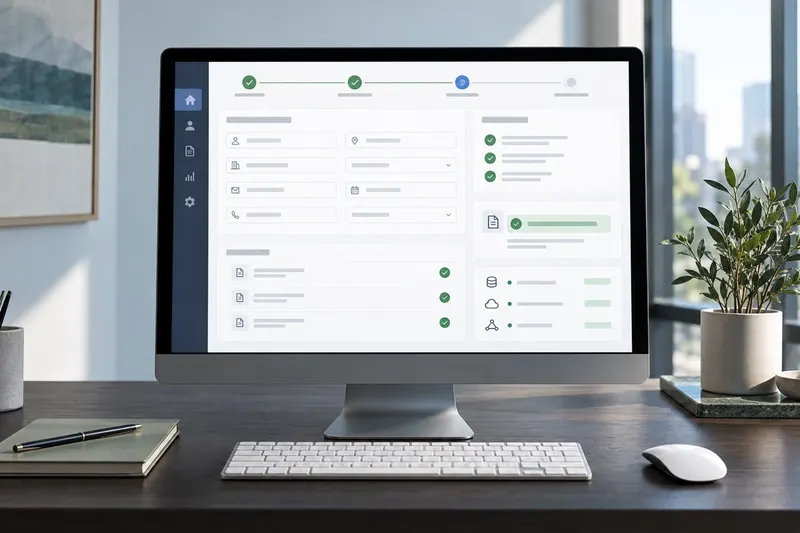
Unified onboarding portal with validation, approvals, and integration status
AFTER

One connected experience.

A shared portal. Clear validation. Review status everyone can follow.

  1. 01

    Collect

    Capture customer details in one role-based portal.

  2. 02

    Validate

    Check required fields and flag incomplete submissions.

  3. 03

    Review

    Route exceptions and approvals to the right person.

  4. 04

    Connect

    Update existing systems and make the outcome visible.

This is an illustrative scenario, not a client case study or a measured performance claim.

A clear path to delivery.

Agree on the outcome, make progress visible, and plan for what happens after release.

  1. 01

    Assess

    Understand users, existing systems, constraints, and the risks that need early investigation.

    System assessment and key risks
  2. 02

    Plan

    Define the architecture, scope, milestones, and acceptance criteria together.

    Agreed scope and acceptance criteria
  3. 03

    Deliver

    Build in reviewable increments, test essential journeys, and prepare the release.

    Reviewable releases and test evidence
  4. 04

    Hand over & evolve

    Document the system, agree operational responsibilities, and prioritize the next improvements.
    Documentation and operational plan

Where should we start?

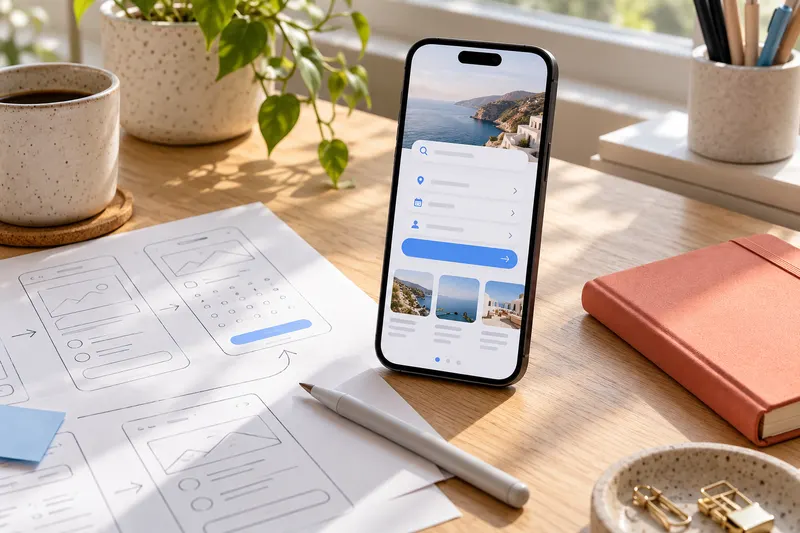
Mobile app prototype beside paper wireframes and design tools

A new product

Shape a focused first release, validate the essential experience, and establish a foundation for growth.

Product development

Software architect mapping a platform modernization on a whiteboard

An existing platform

Identify bottlenecks, plan modernization, and introduce changes in manageable stages.

Discuss your platform

Connected devices and a workflow tablet on an integration testing bench

Connected systems

Extend a product with integrations, APIs, and workflows that fit your current operations.

Platforms & APIs

Ready to run. Ready to hand over.

Define the checks and responsibilities that make a release usable beyond the development environment.

Quality checked

Make the release evidence and remaining limitations easy to review.

  • Test scenarios
  • Release checks
  • Known limitations
What’s included
  • Agree acceptance criteria around important user journeys and failure cases.
  • Review appropriate automated and manual checks before release.
  • Document known issues, constraints, and decisions about outstanding risks.

Operations prepared

Give the live system a clear operating plan and named responsibilities.

  • Deployment & rollback
  • Monitoring
  • Support ownership
What’s included
  • Document environment configuration and an agreed deployment and rollback approach.
  • Define required monitoring, alerts, and incident escalation paths.
  • Agree operational ownership, support coverage, and maintenance responsibilities.

Knowledge transferred

Help your team understand, operate, and extend the software.

  • Documentation
  • Access inventory
  • Team walkthrough
What’s included
  • Provide agreed architecture, setup, and dependency documentation.
  • Record relevant access, credentials ownership, and third-party service requirements.
  • Plan a walkthrough and knowledge transfer suited to the receiving team.

Testing, security reviews, documentation, and support commitments are defined in the engagement scope. Certifications and specialist audits require separate agreement.

Before we start.

Can you work with our current codebase and team?

We can assess the existing code, architecture, and delivery setup before proposing a scope. Access, documentation, and your team’s responsibilities help determine how we work together.

How do you approach testing and security?

Testing and security requirements are defined around the system’s risks. The agreed scope can include automated checks, access controls, dependency review, and release validation. Specialized audits or certifications need separate agreement.

What will we receive at handover?

Source-code access, documentation, deployment guidance, and knowledge transfer are agreed as part of the engagement. Intellectual property and licensing terms are set in the contract.

How do you choose the technology stack?

We consider your current systems, team skills, deployment environment, product needs, and long-term maintenance before proposing an approach. We do not assume the same stack for every engagement.

How are scope, timing, and cost agreed?

We review the problem, existing assets, integrations, and constraints first. Where uncertainty is high, a focused assessment can help establish milestones and a realistic estimate before implementation.

Do you offer ongoing support?

Maintenance, monitoring, and further development can be scoped alongside the build. Coverage, response expectations, and operational ownership are agreed explicitly.

What are you building?

Share your product, platform or modernization requirement and we'll connect you with the right team.

Start a Conversation
Read the privacy policy